Coatepec · Veracruz · México
Coffee Club Family Estates · Since 1936
Twenty estates · Opening 2028

Coffee Club Family Estates · Since 1936
Twenty estates · Opening 2028
On the grounds of a family coffee farm dating back to 1936, in the cloud forest above Coatepec, twenty private estates are set among coffee trees at 3,600 feet (1,100 meters) — each one a working farm, each one a home.
Living at The Estates at Quimíapan means experiencing the coffee process in all its stages, while enjoying life in an exclusive, master-planned community. The development spans 49 acres (20 hectares), beside another 49 acres of coffee already in production — Marsellesa, Geisha and Anacafé 14 growing in the mountain mist.
It is a farm with twenty stewards.
Each estate is two and a half acres — one full hectare. The coffee groves — three thousand trees, planted, nurtured and harvested by Quimíapan's own farm team — surround a discreet building site reserved for your house and gardens.
Your land arrives producing. The farm is alive the day you walk it.
“Become the producer of your own coffee.” The Quimíapan promise
Quimíapan's wet mill, dry mill and roastery stand minutes from your door. Your cherries are picked, processed and roasted on the farm — and return to you as your own micro-lot, under your own label, traceable to your own hectare.
Every year, the harvest becomes the estate's great occasion: cutting cherries side by side with the farm team, cupping your lot, tasting the difference a hillside makes.
One hectare set aside for one household, and one harvest that belongs to it alone.
One hectare — two and a half acres — surveyed to the square metre, with its boundaries fixed by the master plan and held for one household alone.
Roughly three thousand trees, already planted and bearing. Gesha, Marsellesa, Anacafé 14, Pink Bourbon and Obatá, under the old shade trees.
A single residence designed with UG Arquitectos to the master plan, on five percent of the land. The other ninety-five stays in coffee.
All of it. Milled, dried and roasted here, minutes from your door, and returned to you under your own label, traceable to your own hectare.
The farm team plants, prunes and picks your coffee year round. You live on a working farm, and the farm team works it.
Every estate at Quimíapan is held on identical conditions. Admission passes through the board, and so does every transfer and every succession — for the first household, for the last, and for the family that has farmed this land since 1936.
That single rule is what holds everything else in place.
Twenty estates were drawn and twenty is what there will be — in ten years, and in fifty. The number is fixed in the founding documents and the board is bound by it.
The groves remain in coffee in perpetuity, worked year round by the farm’s own team. The trees that shade them have stood for generations and will keep standing.
Each estate carries a single house, and that house is a home: it belongs to the household that lives in it, and it stays that way.
Every arrival comes through the same review — yours, and the one who follows you. Twenty households accept the same terms, and that symmetry is the whole of it.
The most sought-after addresses in America work precisely this way. In a Manhattan co-operative the board reviews every buyer, and people pay millions for the certainty that comes with it. The logic here is the same, set among coffee instead of avenues.
That in twenty years there will still be twenty houses. That the coffee will still be in the ground. That the neighbour you meet in 2028 is the kind of neighbour you will still have in 2048. Every household gives the same word, and receives nineteen in return.
Admission, tenure and succession are set out in full, in writing, long before anything is signed — and they read the same for everyone.
These are the styles available to you, drawn with UG Arquitectos and shown here as they will stand on the land. Choose the one that speaks to you, and Luis Ugalde — the one architect authorized to build at Quimíapan Estates — draws your house from it, to your household.
Each residence follows the estate’s architectural language: well-defined volumes, patios and covered terraces, walls of visual weight — volcanic stone, wood, rustic plaster, clay — opening the interior to the coffee groves and the mountains.
One home per estate, held to a single master plan, with services carried underground so the landscape stays whole.
Admission to The Estates at Quimíapan comes by invitation and by review of the board — the first arrival and every succession after it — so that the farm remains, for generations, in the hands of people who love it.
The coffee farm is protected in perpetuity. The trees stand, and the land carries one house.
Each estate holds a single residence, built to the master plan with UG Arquitectos.
Each estate is a home, lived in by its household, and remains so.
Each founder names a successor; the board welcomes them into the circle, or provides for them while the estate returns to Quimíapan.
Terms & pricing upon application
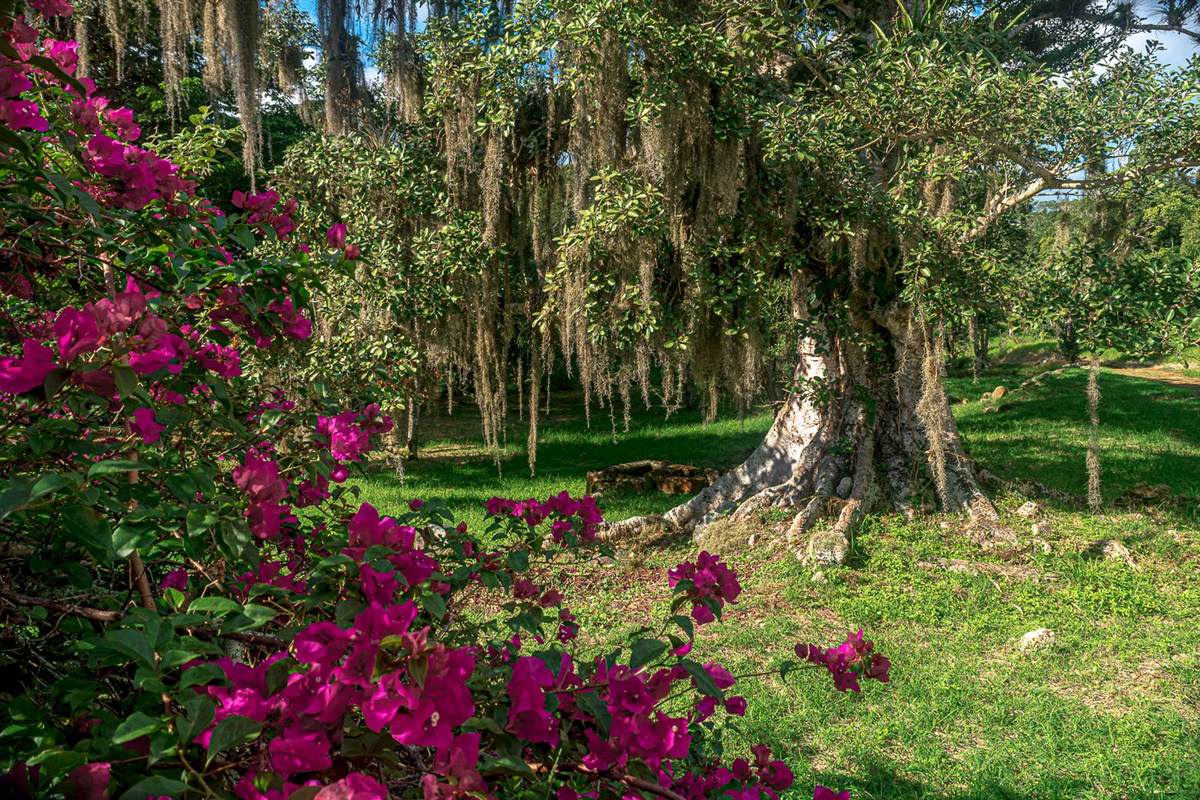
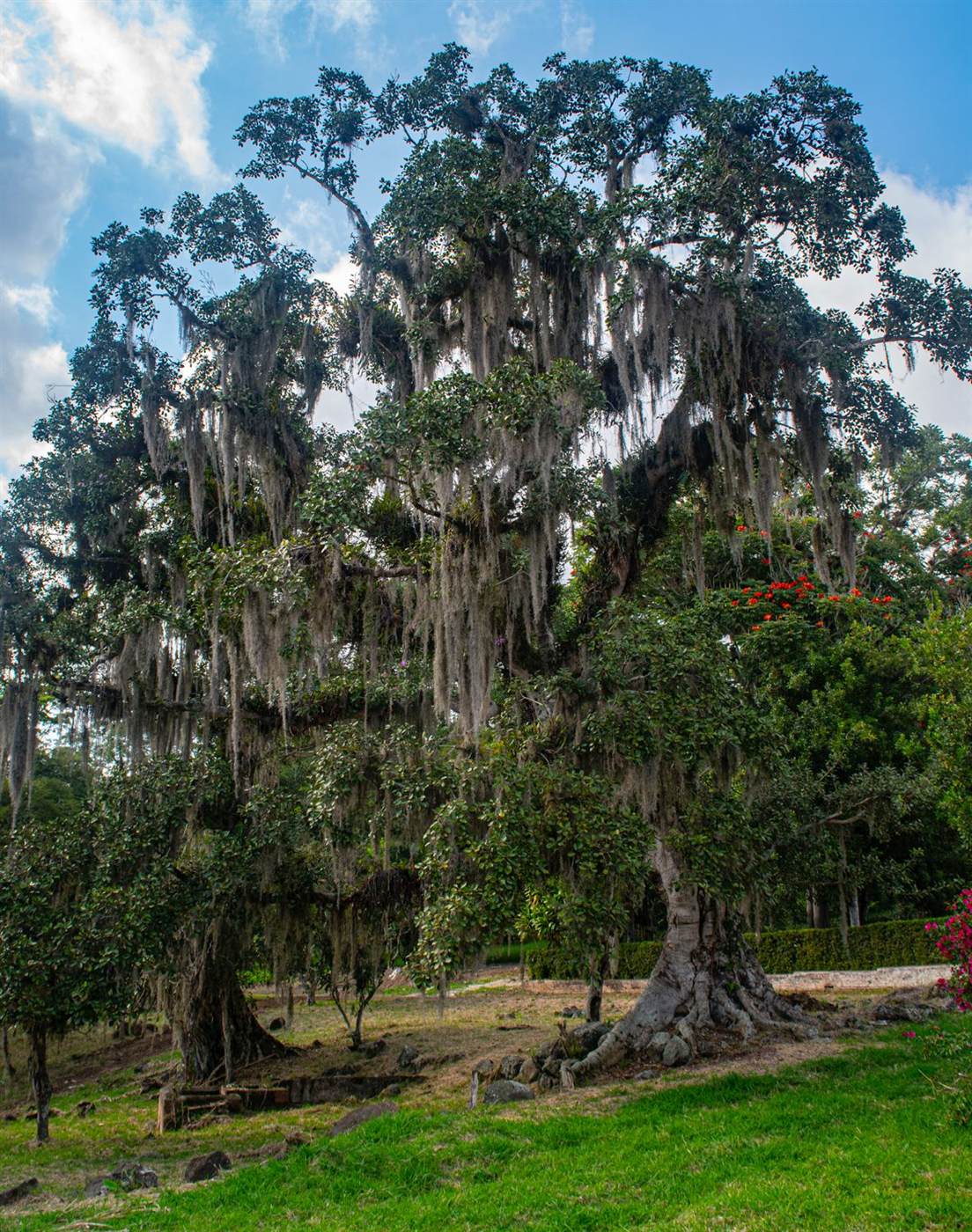
Mild all year, watered by Gulf mists, with morning fog drifting through the rows — and, to the south and west, the snowed summit of Pico de Orizaba and the Cofre de Perote standing over the Coatepec valley.
Minutes away, Coatepec and Xalapa offer the region's music, literature, markets and cuisine — the cultural capital of Veracruz, an hour from the sea.
The farm is ninety years old and the coffee is in the ground. The land is surveyed, the twenty estates are laid out, and the master plan is finished to the square metre. That much exists today, and you are welcome to examine all of it.
The rest is being designed now, and the first families will be at that table. We will tell you exactly where each piece stands, and show you a drawing only once there is something behind it.
The farm is ninety years old and in production. The land is surveyed to the square metre, the twenty estates are laid out, and the master plan is finished. All of it is open to your inspection.
Roads, water, power and drainage. The coffee for the new estates goes in the ground. The first homes begin.
The first families arrive, and the first harvests are milled, roasted and bagged under their own names.
A clubhouse, a cupping and training room, and a laboratory for the farm’s coffee. Sited; the design is under way.
A processing and packing house where every owner’s harvest is kept separate, from cherry to bag.
Staff, a chef, a driver — arranged through the estate and available to owners. The structure and the annual cost are being set.
Price, schedule and the form of ownership are given on application, and only in a conversation.
Today this is a conversation, and only that. Tell us who you are and what you would want from a place like this, and someone from Quimíapan will write back as the project takes shape.
Registering keeps you informed, and leaves you free.